






Hebrew media sources revealed that the Chief of Staff of the Israeli occupation army, Eyal Zamir, approved new operational plans aimed at resuming widespread military operations in the Gaza Strip. These military moves come at a sensitive time when the Egyptian capital, Cairo, is witnessing intensive negotiation rounds between Palestinian factions and international mediators to try to stabilize the fragile truce.
The reports clarified that the plans adopted by Zamir were presented by the commander of the Southern Command, Major General Yaniv Asor, who stressed the necessity of imminent military action. Military leaders in the occupation army believe that resuming fighting has become a strategic necessity in the absence of any international force capable of implementing the provisions for disarming the resistance in the Strip.
Israeli security sources claimed that the Hamas movement succeeded during the past months of truce in significantly restoring its military and organizational capabilities. These sources claimed that the movement rebuilt damaged tunnel networks, in addition to reactivating command and control centers that were targeted in previous rounds of escalation.
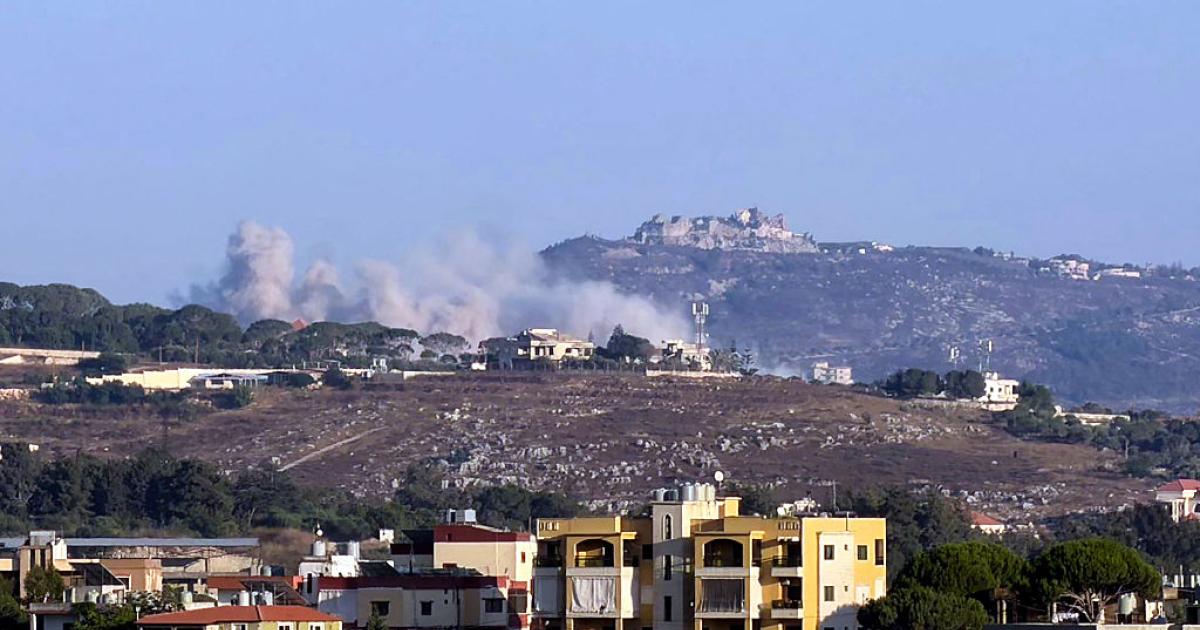
In the context of field preparations, the occupation army is preparing for the possibility of returning to large-scale fighting, taking advantage of the relative calm on the Lebanese and Iranian fronts. Senior officials in the Southern Command are seeking to accelerate the implementation of these approved plans to ensure that the factions are not given more time to strengthen their defenses.
Despite military pressures, sources indicated that the political leadership in Tel Aviv has not yet given the final green light to launch a widespread attack. However, Prime Minister Benjamin Netanyahu demanded accelerating logistical and field preparations in anticipation of any imminent political decision to expand the scope of operations.
On the ground, the occupation continues its control over what is known as the 'Yellow Line', which isolates large areas of the Gaza Strip and divides it geographically. Through this buffer line, Israel seizes about 60% of the Strip's area, which tightens the noose on Palestinian movements and prevents the return of normal life to the eastern areas.
In the political track, sources following the Cairo talks reported that Palestinian factions showed flexibility regarding the principle of 'confining weapons' in Gaza. The factions agreed that weapons would be under the supervision of an agreed-upon national Palestinian body, as a step to cut off Israeli pretexts for continued aggression.
However, this progress clashes with Israeli intransigence supported by international conditions, as Tel Aviv insists on handing over all weapons to international stabilization forces. Israel bases this demand on the vision put forward by the previous US administration within what is known as the Trump plan, which the factions completely reject.
An informed Palestinian official confirmed that the arms file currently represents the only and fundamental point of contention that hinders reaching a final and comprehensive agreement. He explained that mediators in Egypt, Qatar, and Turkey are trying to bridge the gap through conditional formulations, but the gap remains wide between the resistance's vision and Israeli demands.
For his part, the spokesman for the Hamas movement stated that the movement dealt positively and with high flexibility with the proposals presented by the mediators during the recent meetings. He pointed out that the movement seeks to end the war and ensure national administration of the Strip, confirming the achievement of approaches he described as acceptable were it not for the interventions that hinder implementation.
He stressed that the actual implementation of any understandings requires exercising real pressure on the occupation to stop its continuous violations of the truce. He added that the occupation is required to commit to completing the provisions of the first phase of the agreement before moving to any paths related to the future security of the Strip.
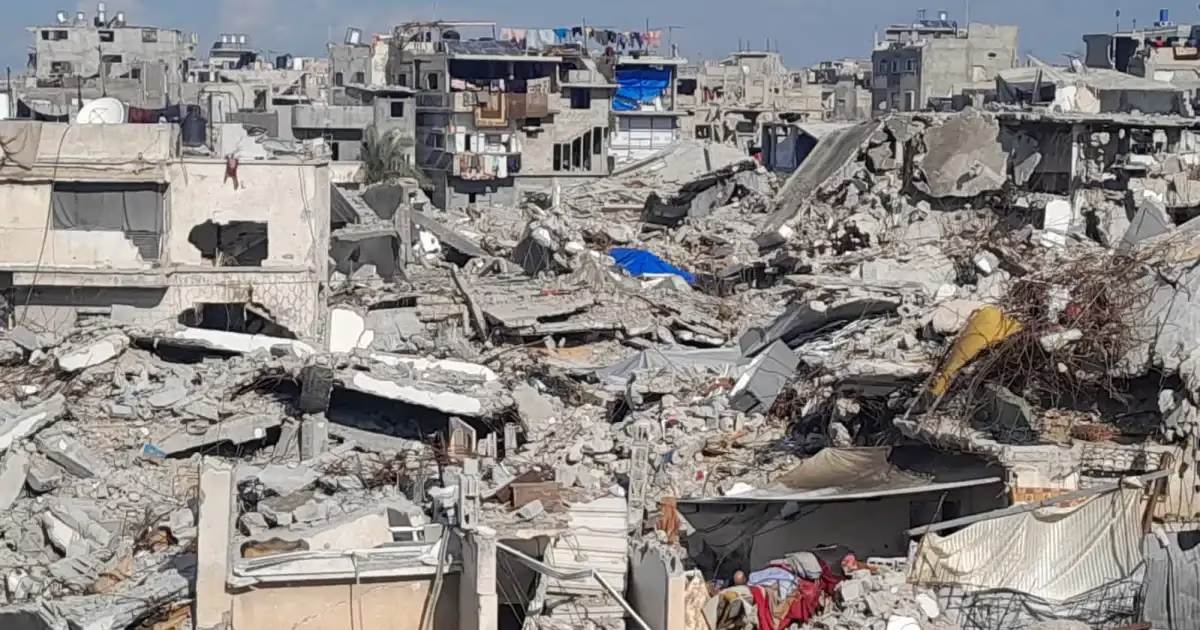
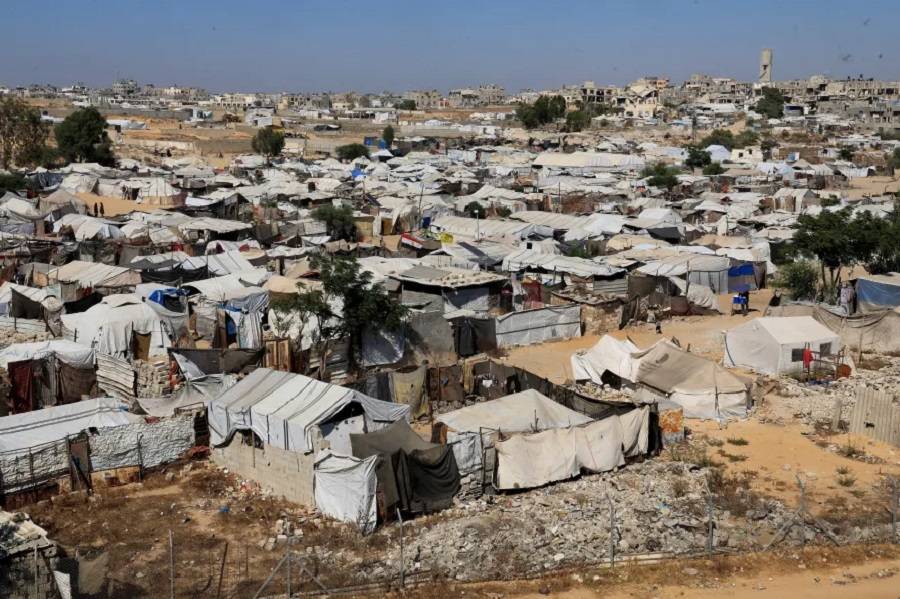
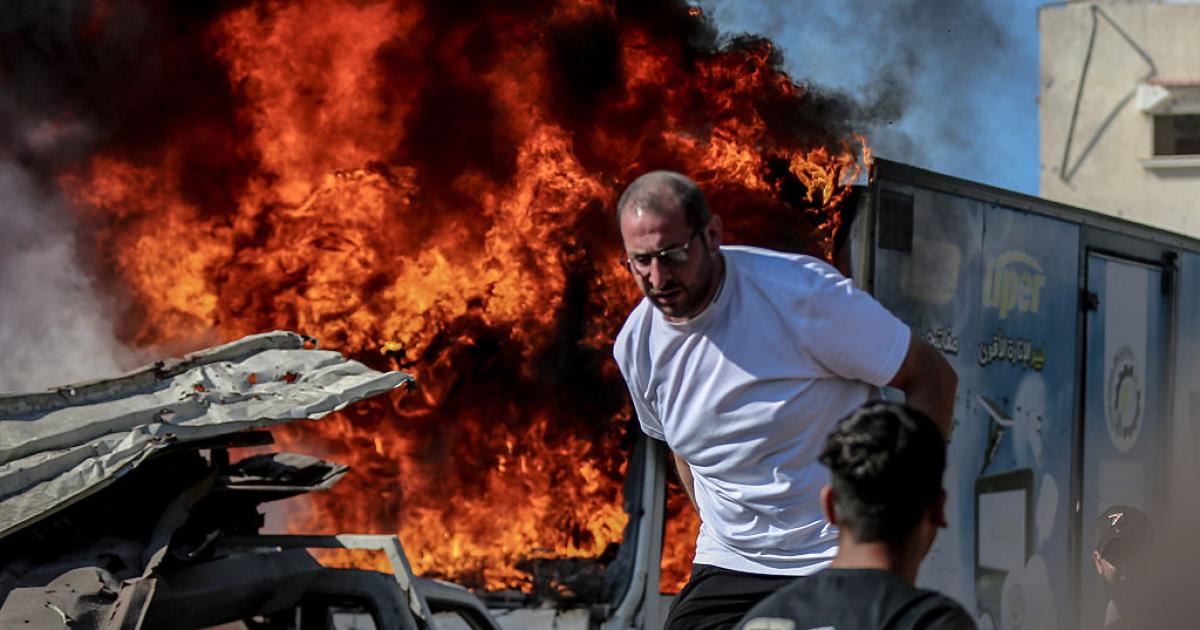
These developments come amid a catastrophic humanitarian reality, as government media office data indicate the death of about a thousand martyrs since the start of the supposed truce last October. These figures reflect the extent of continuous Israeli violations that have not stopped despite the presence of mediators and initial agreements.
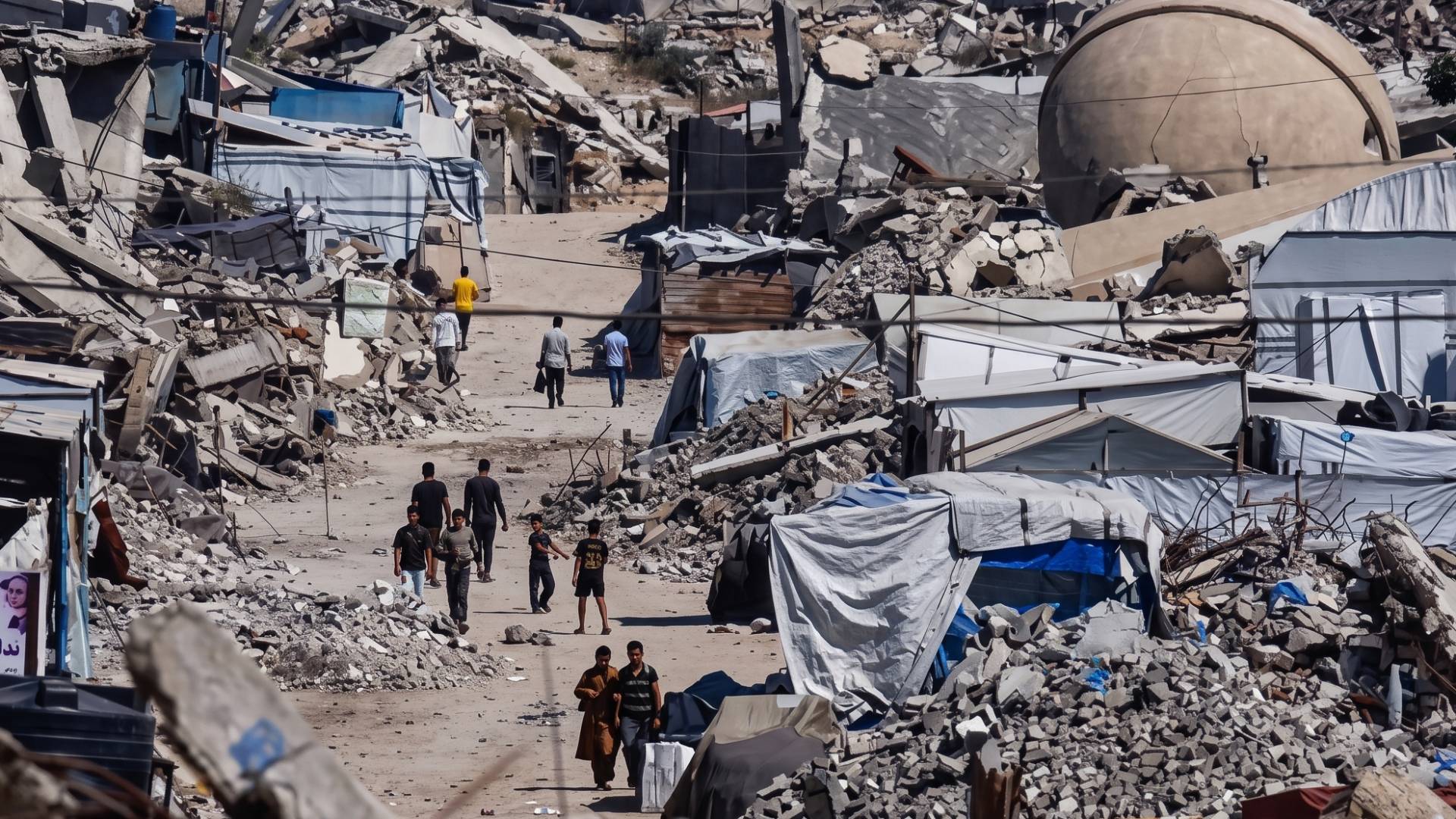
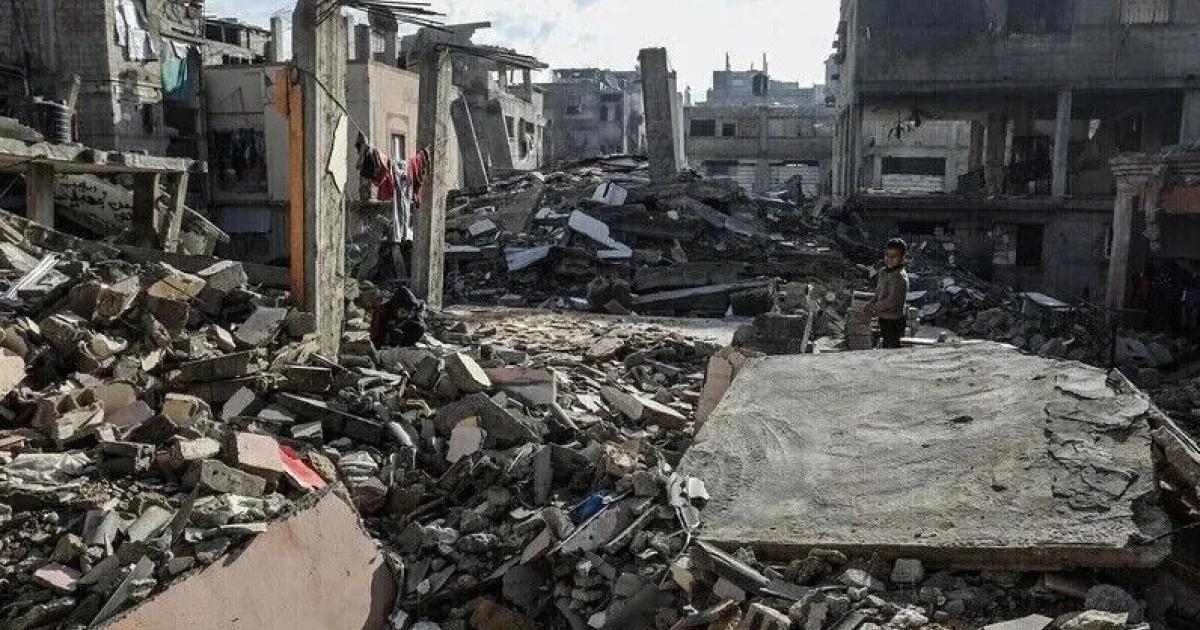
Considering the total toll of the ongoing war of extermination since 2023, the number of martyrs has reached about 73,000, most of whom are women and children. The Israeli military machine also destroyed more than 90% of the infrastructure in the Strip, making living there a daily challenge for millions of displaced people.
The scene in Gaza remains suspended between the option of military escalation hinted at by the occupation leaders, and the slim chances of success for the Cairo negotiations. In light of the resistance's insistence on protecting its weapons and the occupation's rejection of any national formula, the possibilities of renewed escalation remain the closest to the field reality.
Israel cannot be content with the current situation given the activity along the buffer lines, and the army will be forced to launch a widespread attack sooner or later.
Share your opinion
The occupation approves plans to resume aggression on Gaza and Cairo negotiations on the arms file falter